
Celebrating Women and Girls in Science: Why Mathematics Still Matters
As the world marks the International Day of Women and Girls in Science on 11 February, the South African Mathematics Foundation (SAMF) is using the moment to send a clear message to schools, teachers, and parents: mathematics remains one of the most powerful tools we can give young people, especially girls.
Despite progress, many girls still step away from mathematics early, often because they believe it is “too hard” or “not for them”. Two leading South African mathematicians show why this belief needs to change.
Professor Eunice Gogo Mphako-Banda, Professor of Mathematics at the University of the Witwatersrand and a Director of the SAMF, says mathematics opened doors precisely because so few women pursue it. Her career proves that mathematical thinking creates opportunities, confidence, and long-term career security.
Professor Karin-Therese Howell, Executive Director of AIMS South Africa, adds that mathematics teaches people to work with complexity and uncertainty. These skills, she says, matter far beyond the classroom and shape how leaders make decisions in a fast-changing world.
Their journeys are different, but the message is the same: girls belong in mathematics. More than that, they are needed. Mathematics grows stronger when it reflects the full diversity of society.
For teachers and parents, the message is practical. Confidence grows through exposure, encouragement, and experience. One of the simplest ways to support learners is to give them opportunities to engage with mathematics in a structured, national setting.
This is where the South African Mathematics Olympiad (SAMO) and the South African Mathematics Challenge (SAMC) play a vital role. These competitions are designed for learners at different levels and are written in schools under normal classroom conditions. They reward thinking, not speed, and they help learners see mathematics as something they can do. For many participants, the SAMO/C is their first gateway to discovering future careers in STEM.
Schools are encouraged to enter all their learners, not only top performers. Participation builds confidence, curiosity, and resilience, especially for girls who may still be unsure of their abilities.
Key dates to note:
- Closing date for registrations: 20 February
- First round: mid-March
On this International Day of Women and Girls in Science, SAMF calls on schools, teachers, and parents to act. Enter learners for the SAMO and SAMC. Open the door. Let girls see themselves as problem-solvers, thinkers, and future leaders.
The next generation of women in mathematics is already in our classrooms. They are waiting for the opportunity.
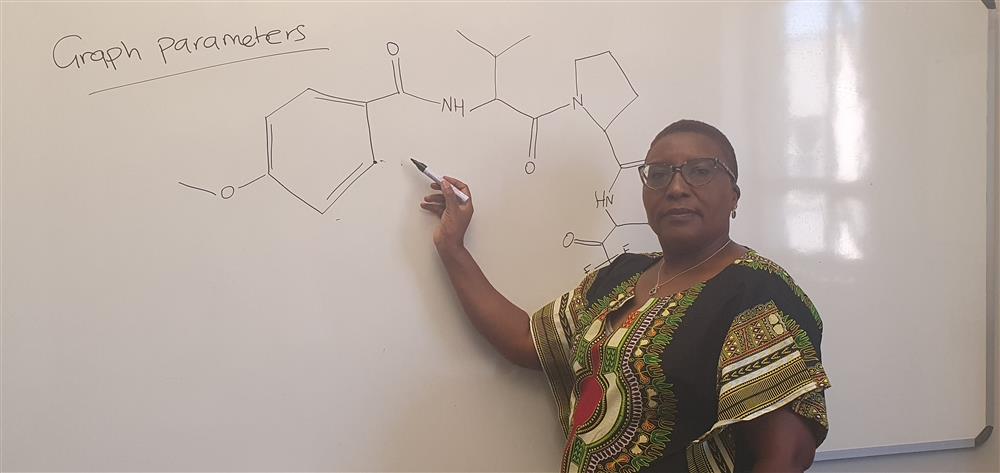
Professor Eunice Gogo Mphako-Banda
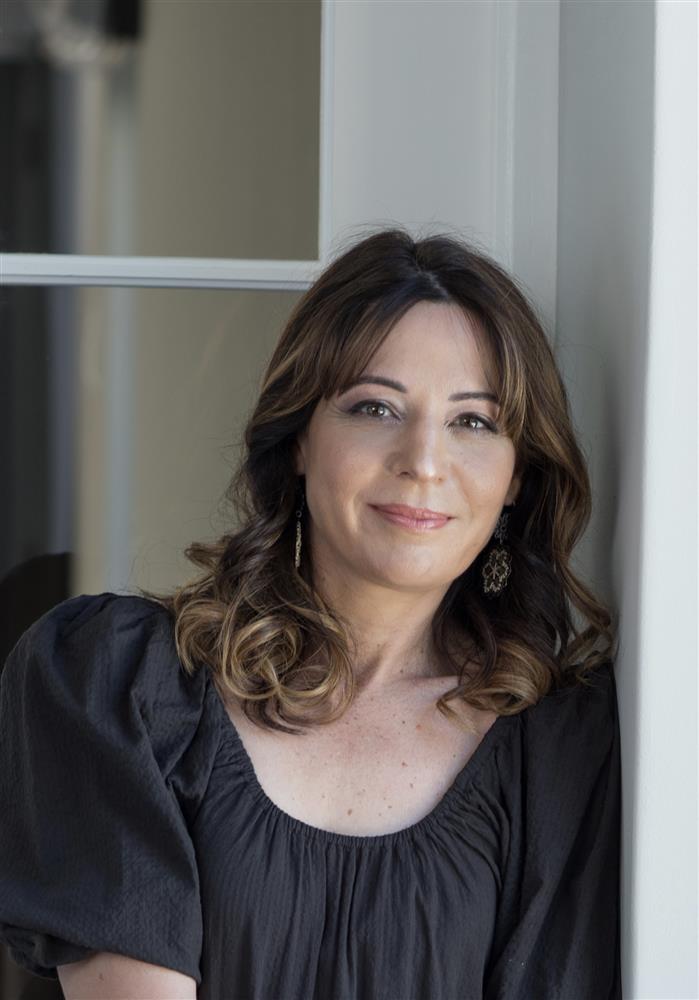
Professor Karin-Therese Howell